


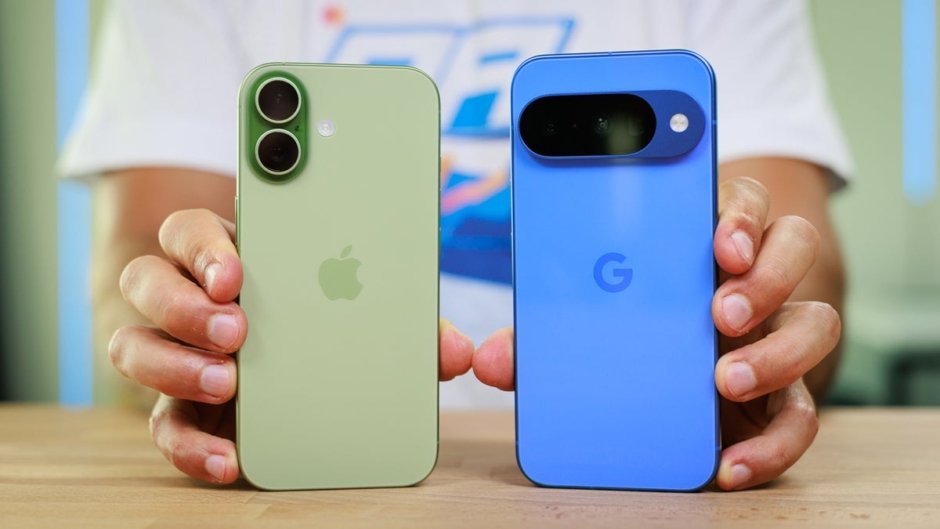
 Android’s AirDrop Era Begins: Qualcomm Confirms Cross-Platform File Sharing Coming to Snapdragon Devices Soon
In a major step toward bridging one of the longest-standing gaps between Apple and Android ecosystems, Qualcomm has officially confirmed that Android’s new cross-platform file-sharing system capable of communicating directly with Apple’s AirDrop will soon expand far beyond Google’s Pixel 10 lineup. The announcement, made through the company’s official post on X, marks a historic turning point in how mobile devices across competing platforms will exchange files, media, and data.
Google’s initial reveal earlier this week had already generated significant buzz. For the first time in tech history, an Android smartphone could natively send and receive files with Apple devices through a unified, seamless sharing process. While this capability debuted with the Pixel 10 series using Google’s Quick Share interface, Qualcomm’s confirmation has now opened the door for millions of Android users to experience truly universal file sharing.
AirDrop Compatibility No Longer Limited to Pixel 10
According to Qualcomm’s statement, support for Quick Share-to-AirDrop transfers will be coming to “Snapdragon-powered devices in the near future.” Although the company did not outline the exact timeline or specify the first models to receive the feature, the message was clear: the future of Android-to-Apple file sharing is not restricted to Google’s own hardware.
This development is monumental because Snapdragon processors power the majority of Android smartphones worldwide. From Samsung’s flagship Galaxy devices and OnePlus’s premium lineup to newer brands like Nothing, Realme, and iQOO, Snapdragon chips are everywhere. Qualcomm’s announcement essentially means that most Android users including those who don’t own a Pixel will likely gain support for AirDrop compatibility sometime next year.
How the Feature Works
Google explained that the process is designed to be as effortless as possible. Once Apple users set their iPhone, iPad, or Mac device to be discoverable to “Everyone,” Pixel 10 devices can identify them through Quick Share and send files in real time. The transfer works both ways: AirDrop can also detect Pixel 10 devices when they are set to receive files.
This creates a fully functional cross-platform bridge, allowing images, documents, videos, and various types of media to move freely between Apple and Android something that users have been requesting for over a decade.
What makes the achievement even more noteworthy is that Google built this compatibility without any involvement from Apple, relying on shared wireless communication protocols and a standardized file-transfer layer that AirDrop devices can interpret.
A New Era for Android Users Across the Globe
The expansion of this feature beyond Pixel devices is expected to be transformative. For years, Android users relied on mixed solutions including Bluetooth, email, instant messaging apps, or QR-based transfer tools to move files to and from Apple devices. These workarounds often suffered from slow speeds, compression, or poor reliability.
Bringing AirDrop-level convenience to Android devices especially those powered by Snapdragon chips is an enormous shift. With Qualcomm’s backing, the feature is poised to become widespread, spanning premium, mid-range, and even budget segments depending on software compatibility.
The big question now is which Snapdragon devices will receive the update first. Qualcomm has not provided specifics, but analysts believe that recent chipsets such as the Snapdragon 8 Gen series and the 7 Gen series will be prioritized. Older chips may receive support depending on hardware capability and manufacturer willingness to roll out updates.
Implications for Tablets, Laptops, and Other Devices
One of the more intriguing aspects of Qualcomm’s announcement is what it doesn’t rule out. While the company referenced smartphones, it made no explicit statement excluding tablets, laptops, or other Snapdragon-powered products.
This silence has triggered speculation that Qualcomm may eventually extend cross-platform sharing to a wide range of devices such as:
-
Snapdragon-powered Windows laptops
-
Android tablets using Snapdragon SoCs
-
Wearable devices with wireless transfer capabilities
If true, this could propel Quick Share into becoming a universal file-sharing protocol, challenging Apple’s ecosystem advantage and reshaping how people move data across devices.
A Wave of Cross-Platform Cooperation Begins
This breakthrough aligns with a broader trend of increasing collaboration or at least compatibility between Apple and Android ecosystems. Just a few months ago, Apple confirmed that iOS 18 will introduce support for RCS, the modern messaging standard used widely on Android. RCS will replace outdated SMS for Apple-Android conversations, enabling better media sharing, typing indicators, read receipts, and larger file transfers.
When taken together RCS messaging on iPhones and AirDrop-style file sharing on Android these changes mark a dramatic reduction in the long-standing communication divide between the two platforms.
For years, tech critics and consumers accused Apple and Android manufacturers of maintaining “walled gardens” that limited interoperability and forced users to stay within one ecosystem. These new developments show that the era of strict separation may finally be fading.
The Road Ahead
While many questions remain unanswered including rollout schedules, hardware eligibility, and manufacturer adoption Qualcomm’s confirmation ensures that the future is already in motion. By next year, a significant majority of Android devices around the world could be capable of seamlessly transferring files with Apple products.
For users, this is more than a convenience upgrade. It represents a major step toward a more open and interconnected tech landscape, one in which software boundaries matter less and user experience matters more.
Qualcomm’s announcement not only signals a technical achievement but symbolizes a cultural shift in the smartphone world. Cross-platform harmony once seen as impossible between Apple and Android is becoming a reality, feature by feature.
And with this latest advancement, the global Android community is finally on the verge of entering the AirDrop era.