



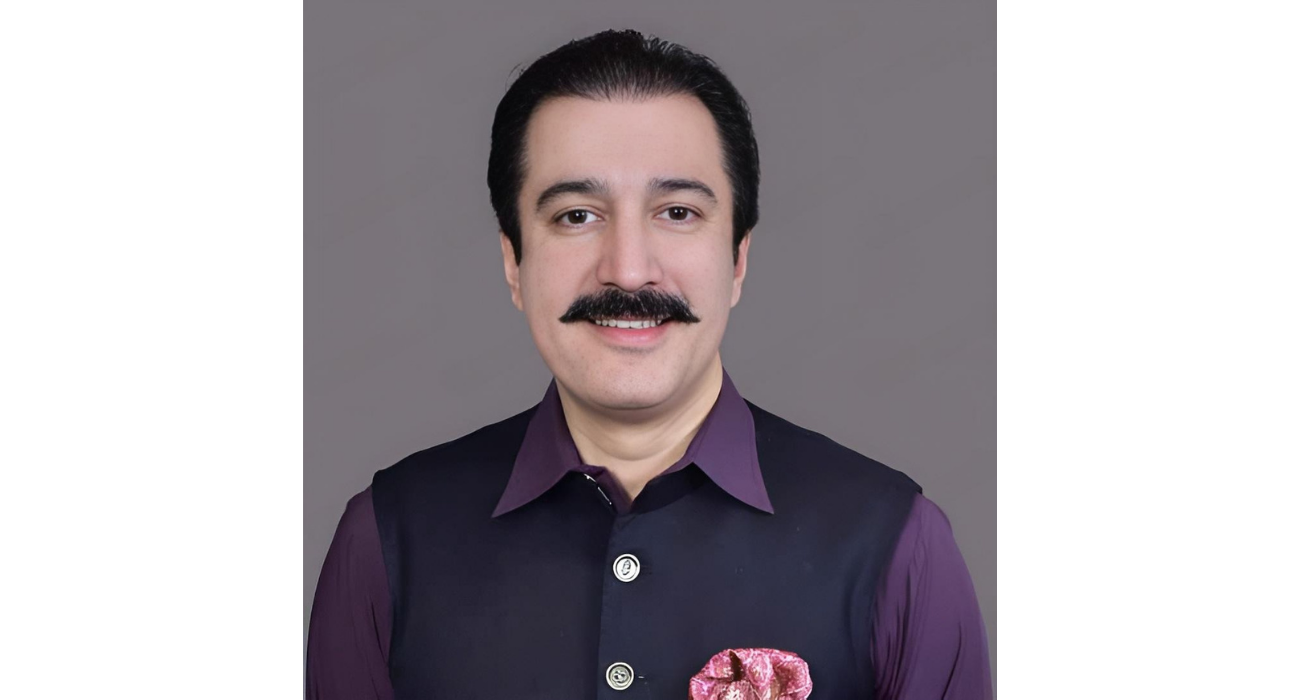
Azad Jammu and Kashmir (AJK) witnessed a major political shift on Monday when a no-confidence motion against Prime Minister Chaudhry Anwarul Haq succeeded with 36 votes in favour and only two against. Following the vote, Assembly Speaker Chaudhry Latif Akbar announced Pakistan Peoples Party’s (PPP) Raja Faisal Mumtaz Rathore as the new prime minister of the region.
Rathore now becomes the 16th elected prime minister of AJK since 1975, when the parliamentary system was first introduced in the region. Known for his calm demeanour, political maturity, and cross-party working relationships, Rathore enters office with both high expectations and deep public interest.
Early Life and Family Background
Raja Faisal Mumtaz Rathore was born on April 11, 1978, in Rawalpindi. His roots, however, lie in the remote Haveli district near the Line of Control (LoC), a region known for both its natural beauty and its political significance.
He belongs to one of Azad Kashmir’s most influential and respected political families a family strongly associated with the foundation and ideology of the Pakistan Peoples Party.
A Political Legacy
Rathore is the son of the late Raja Mumtaz Hussain Rathore, a towering political figure who served in multiple key roles, including:
- Prime Minister of AJK (1990)
- Senior Minister
- Leader of the Opposition
- Speaker of the AJK Legislative Assembly
His mother, Begum Farhat Rathore, also played a leading role in AJK politics. She was a member of the AJK legislature and headed the PPP Women’s Wing. Her family migrated from Indian-occupied Kashmir, further deepening the Rathore family’s historical link with the Kashmir cause.

This strong political foundation shaped Faisal Mumtaz Rathore’s worldview from an early age, instilling in him a deep sense of public duty and connection with grassroots communities.
Education and Entry Into Politics
Rathore completed his early schooling in Rawalpindi before graduating from the University of the Punjab. After his father’s death, his elder brother Masood Mumtaz Rathore briefly entered politics and was elected to the AJK Assembly in 1999.
Faisal Mumtaz Rathore entered electoral politics in 2006, contesting from LA-17 Haveli Kahuta. Although he did not win his first attempt, he established a growing presence in local politics through community engagement and consistent grassroots work.
Rise in the Pakistan Peoples Party (PPP)
Rathore formally joined the Pakistan Peoples Party ahead of the 2011 general elections. His entry marked a turning point in his political career.
Key Milestones
- 2011: Elected to AJK Legislative Assembly on a PPP ticket.
- Served as Minister for AJK Logging and Sawmills Corporation and Minister for Electricity in Chaudhry Abdul Majeed’s cabinet.
- 2016: Arrested in a politically motivated case but later acquitted.
- 2017: Appointed Secretary General of PPP AJK, a position he still holds.
- 2021: Re-elected to the assembly and became one of the most active voices on the opposition benches.
- 2023: Became Minister for Local Government and Rural Development in the coalition government led by Chaudhry Anwarul Haq.
He also headed the government’s negotiation committee during the Jammu Kashmir Joint Awami Action Committee movement.

Within the PPP, Rathore is widely regarded as a trusted confidant of Chairman Bilawal Bhutto-Zardari and Faryal Talpur, being part of the party’s close ideological and middle-class leadership circle.
Personality and Public Reputation
Raja Faisal Mumtaz Rathore is often described as:
- Soft-spoken
- Conciliatory
- Non-controversial
- Highly approachable
- Deeply connected to grassroots communities
These traits have helped him build strong relationships across political, administrative, and military spheres. His ability to maintain composure during crises and negotiate across divides has earned him a reputation as a bridge-builder.

He also has considerable experience in national media and has hosted a programme on a private TV channel, further enhancing his public visibility.
A Leader Rooted in the People
Coming from a remote border district and representing a family with decades of service, Rathore is seen by many as a symbol of middle-class representation in AJK politics. His involvement in local community issues particularly during public movements and periods of unrest has strengthened his standing among the masses.
Challenges Ahead as Prime Minister
As the new prime minister, Rathore faces a challenging political landscape:
- High public expectations
- Economic pressures
- Governance issues in AJK
- Cross-border tensions
- Need for administrative reforms
- Demands for transparency and accountability
With only a few months before the next general elections, observers are keen to see how effectively he will deliver on:
- Public service delivery
- Political stability
- Administrative reforms
- Empowerment of local bodies
- Strengthening ties with federal leadership
His calm style, negotiation skills, and ability to work across party lines may be his biggest strengths as he steps into this challenging role.

